Walk into any retail store in Mumbai today. Look at what’s sitting on the counter near the billing desk.
Chances are – it’s not plastic anymore.
The shift has been happening gradually, then all at once. And if you’re a business owner still deciding between brown paper bags and plastic carry bags, this piece will help you make that call properly. Not emotionally. Practically.
Because both materials have real strengths. And both have real problems. Let’s go through them honestly.
The Compliance Question. Start Here.
In India, the ban on single-use plastics introduced in 2022 is now being taken more seriously at the enforcement level. Thin plastic carry bags: particularly those below the prescribed micron threshold are restricted under this regulation. Businesses have faced fines. Suppliers in several cities have stopped stocking non-compliant options altogether.
Brown kraft paper bags carry no such restriction. For most retail, food, and gifting applications, they’re compliant by default. That alone changes the risk calculation for any business still sitting on the fence.
This isn’t about being eco-conscious. It’s about not getting caught out.
What Plastic Does Better. Let’s Be Fair.
Plastic didn’t dominate packaging for decades by accident. It has genuine advantages and pretending otherwise doesn’t help anyone make a good decision.
Cost is the big one. Plastic bags are generally cheaper to produce, cheaper to transport, and cheaper per unit at almost every order volume. For high-frequency, low-margin businesses – a kirana store, a vegetable vendor, a fast food counter – that difference is felt every month.
Moisture resistance is another real advantage. A plastic bag handles rain, condensation, and wet produce without issue. Paper, unless laminated, doesn’t. One damp item, one light shower on the way to a customer’s vehicle… and an uncoated paper bag starts to give way.
Weight matters too. Plastic bags are significantly lighter than paper, which affects both per-unit cost and logistics when ordering in bulk.
So yes, plastic wins on economics and practicality. At least on paper. No pun intended.
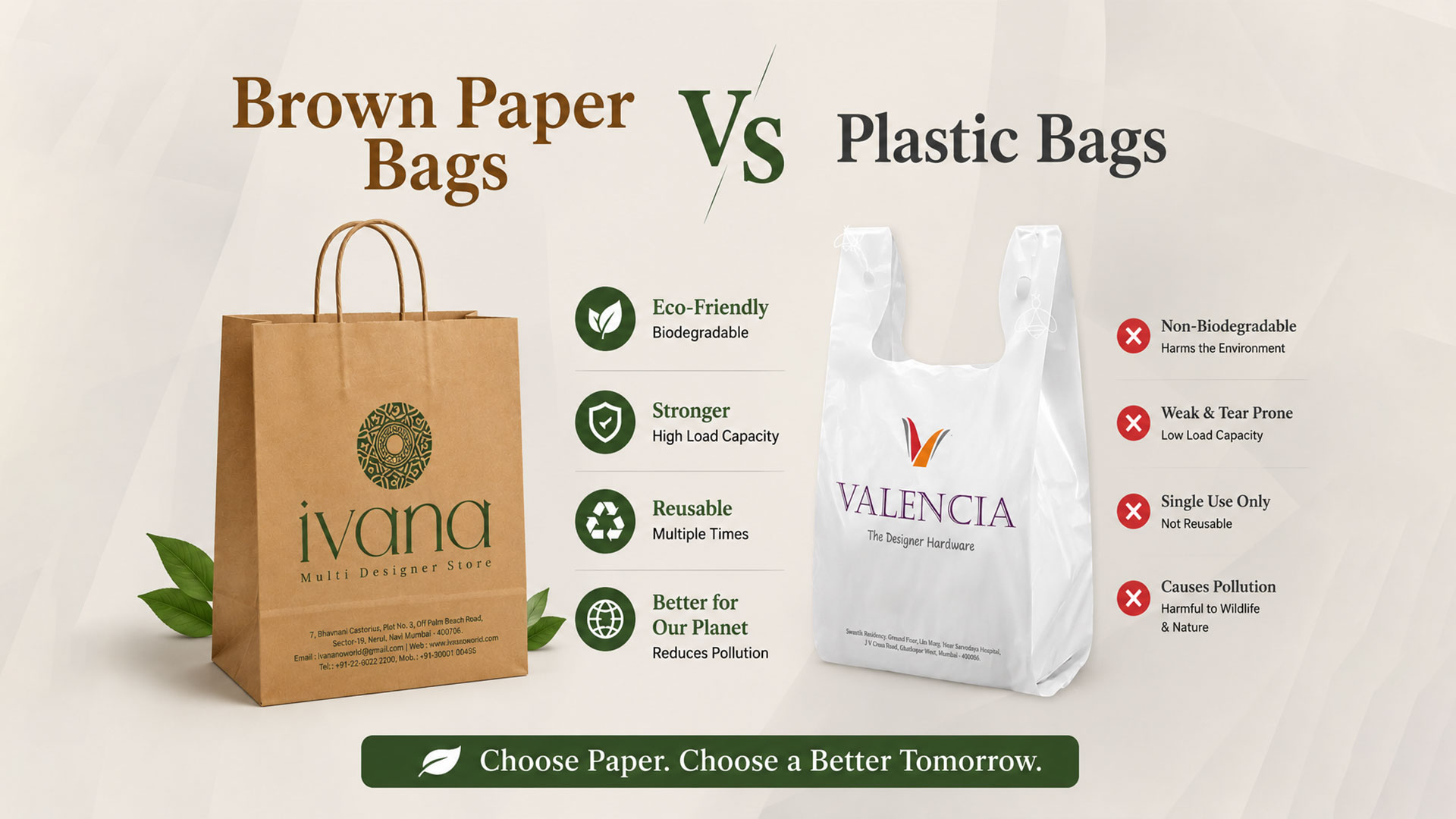
Where Brown Paper Bags Pull Ahead
Here’s where things shift.
End of life is where paper genuinely outperforms plastic and by a meaningful margin. A discarded paper bag biodegrades naturally over time. It doesn’t persist in a drain, a waterway, or a landfill for decades. Plastic, when it eventually breaks down, is generally understood to fragment into microplastics – particles that have been found in soil and water sources across the world. The long-term environmental cost of plastic is difficult to fully quantify, but it’s hard to dismiss.
Recyclability is also cleaner with paper. Paper bags are generally accepted in standard recycling streams. Plastic carry bags, on the other hand, are notoriously difficult to recycle, most conventional facilities don’t process them efficiently, and they often end up in landfill regardless of a customer’s intentions.
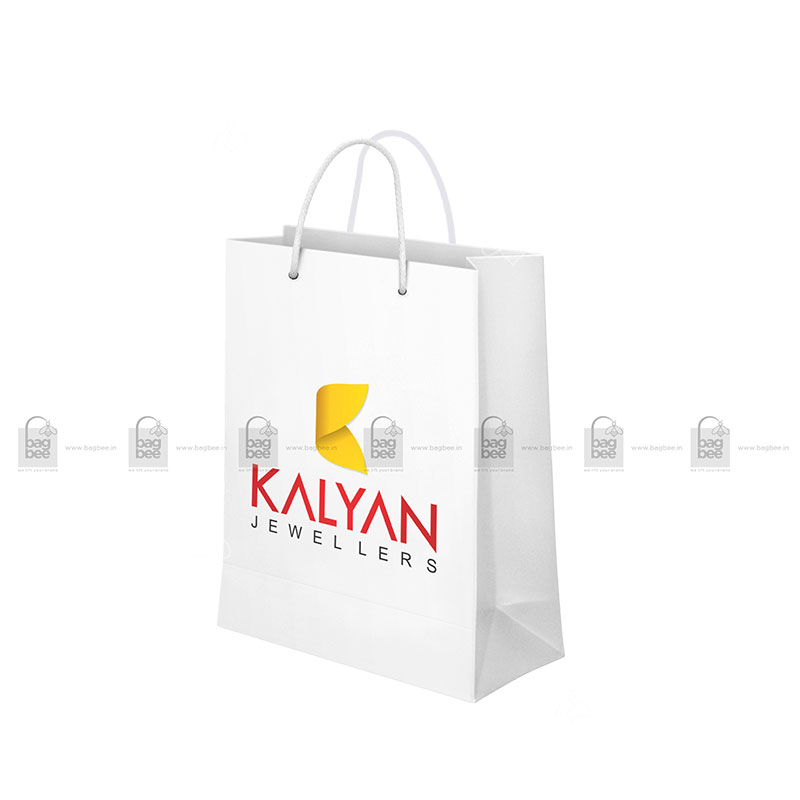
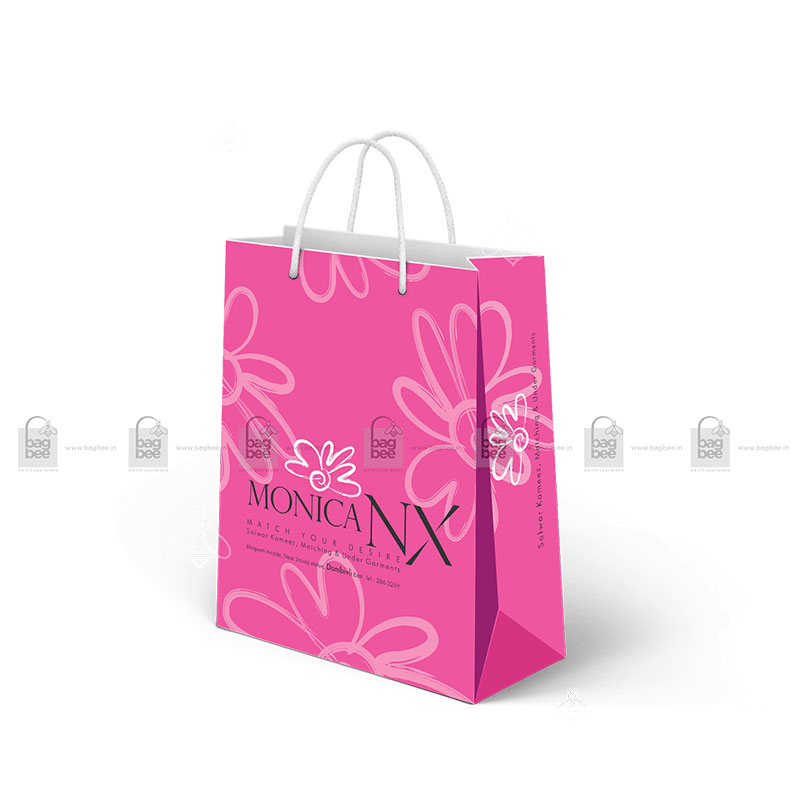
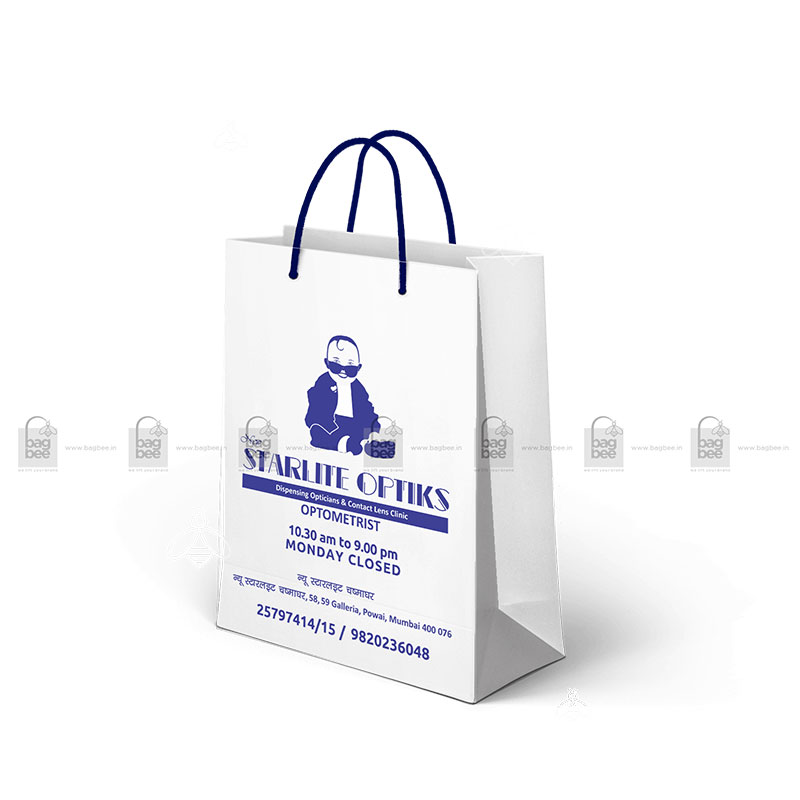
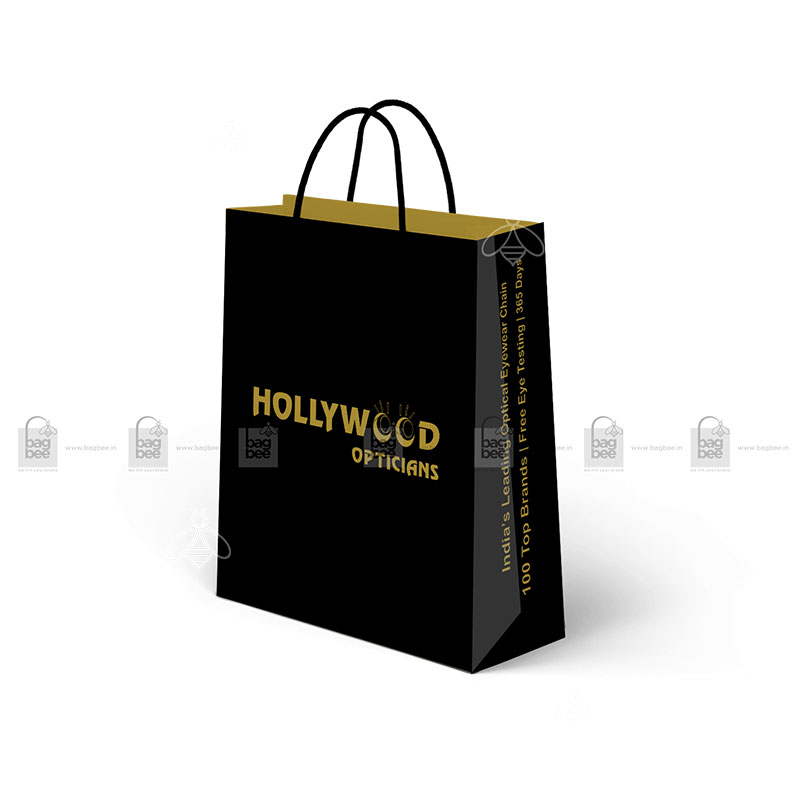
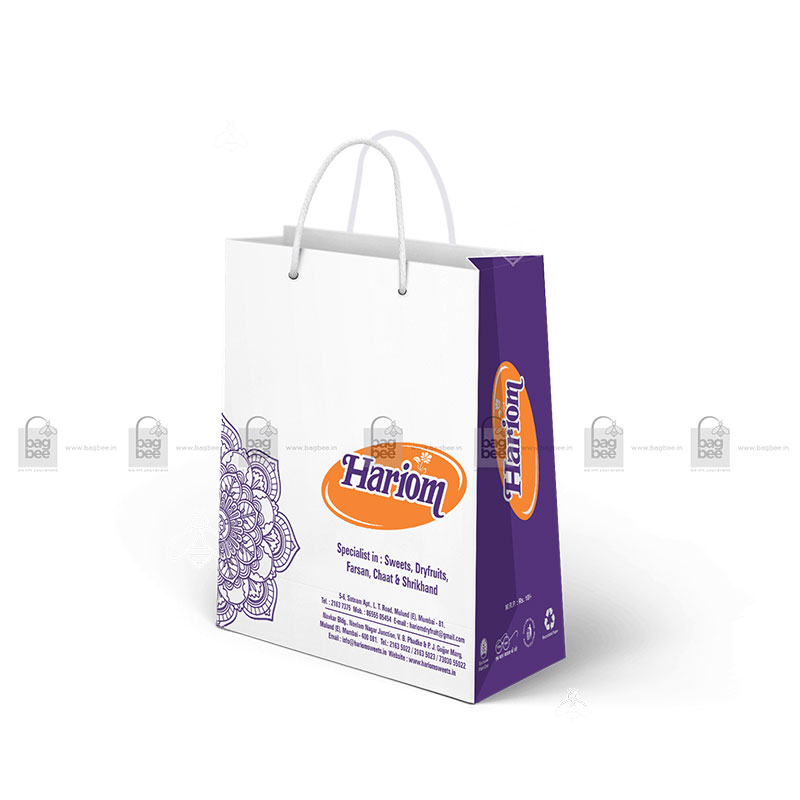
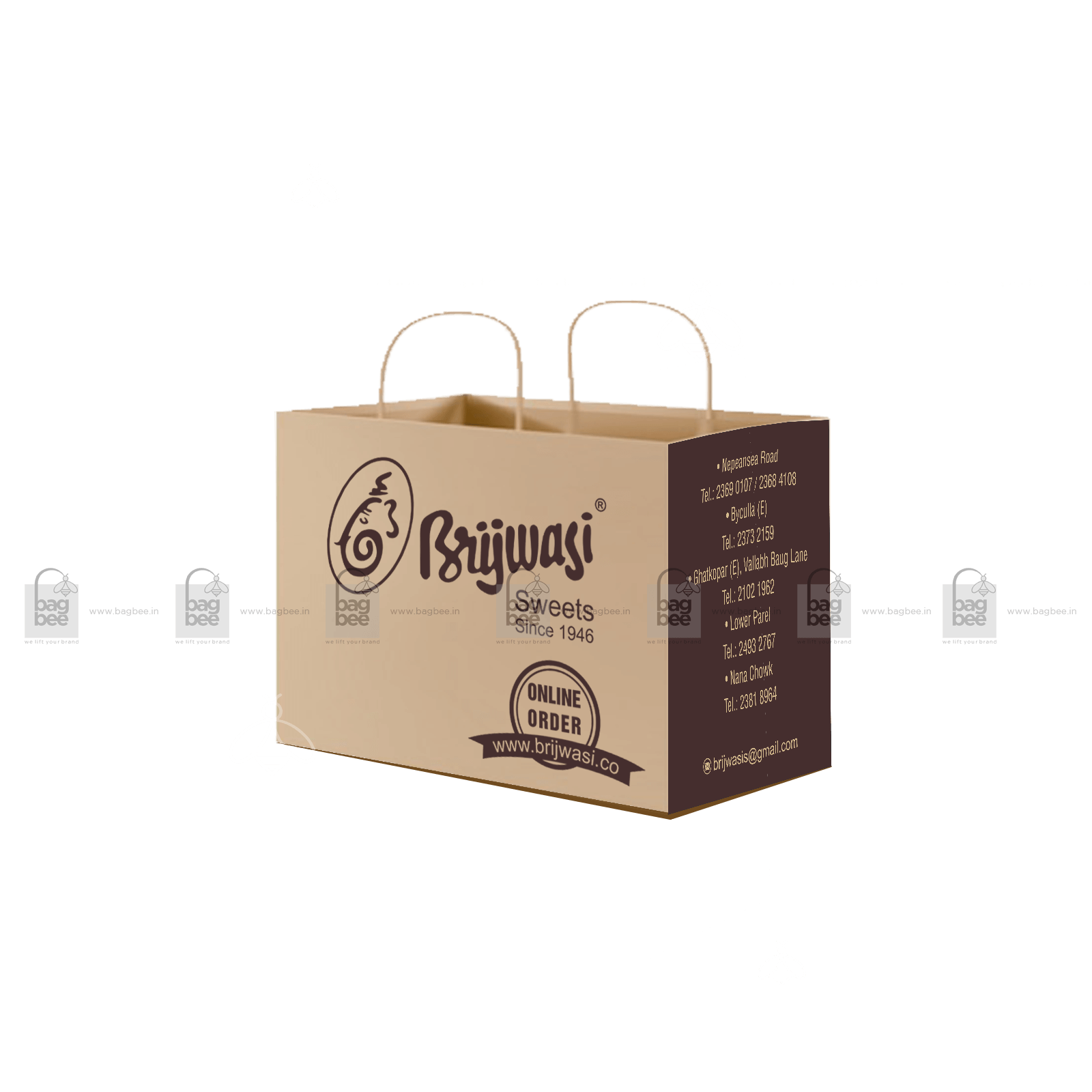
Brand perception is a factor that doesn’t show up in unit cost calculations but absolutely shows up in customer behaviour. A well-printed kraft paper bag communicates care. It signals that a business has thought about its packaging. In urban retail environments like metros, premium localities, gifting contexts – customers notice this. And they remember it.
Every time a customer walks out with your branded paper bag, that bag keeps working for you. On the street. In a mall corridor. In an office building. Plastic bags get thrown away immediately. Paper bags… tend to stay around a little longer.
The Production Argument You Should Know About
Here’s something that often surprises people.
Paper bags are typically more energy-intensive to manufacture than plastic bags. The process involves wood pulp, water, heat, and processing chemicals and generally requires more energy per unit compared to plastic production. Transporting paper bags also tends to have a higher logistics footprint because of their weight.
This doesn’t make paper “worse” overall. It means the full picture is more nuanced than the simple “paper good, plastic bad” framing that’s everywhere right now.
The honest position is this: plastic has a lower environmental cost at the production and transportation stage. Paper recovers that disadvantage significantly at the disposal stage. For businesses thinking about the complete material lifecycle, paper still generally comes out ahead on environmental terms. But it’s not the clean, uncomplicated win it’s sometimes made out to be.
Which Type of Business Should Use Which
There’s no universal answer. It genuinely depends on what you sell, how much you sell, and who you’re selling to.
- Food service and bakeries suit paper well. It’s breathable, which helps with baked goods. It’s food-safe when the correct grade is used. And it simply looks right on a bakery counter. A box of mithai or a bag of fresh bread just presents better in kraft paper than in plastic.
- High-volume grocery and utility retail have a more complicated equation. The economics of plastic are hard to ignore at scale. Non-woven PP bags often fill this gap — compliant, reusable, and cost-effective for bulk operations.
- Premium retail, gifting, and apparel should be on paper. The brand presentation value justifies the cost difference for most businesses in these categories.
Pharma tends to lean toward paper for OTC and consumer health products — it aligns with packaging expectations and regulatory sensibilities in that sector.
The Bottom Line
Plastic bags cost less per unit. They handle moisture better. And they take less energy to produce. Those are real facts and they’re worth acknowledging.
But plastic carry bags are under growing regulatory pressure in India. The compliance risk is real and increasing. The reputational cost of being seen as a plastic-heavy business is rising too, particularly in urban and semi-urban markets where customer awareness has shifted noticeably.
Brown paper bags cost more. They’re weaker against moisture. But they degrade naturally, they’re compliant, they’re generally recyclable, and they make your brand look considered. For most retail businesses in India right now… the direction of travel is fairly clear.
Paper isn’t just the safer choice. For most businesses, it’s the smarter one.
Bag Bee manufactures custom brown paper bags and kraft bags in Mumbai & Thane for retail, food service, gifting, and pharma. Contact us for bulk pricing and samples.